Can You Whiten Veneers? Understanding Shade and Stains
Smile.ist — Editorial
Aesthetic & Restorative Dentist · Smile Istanbul
The Permanence of Porcelain: Can You Whiten Veneers?
For many patients, the appeal of porcelain veneers lies in their ability to deliver a flawless, bright smile in just two appointments. But a common question arises months or even years later: *Can I whiten my veneers if they start to look dull?* The short answer is no — and understanding why is crucial to protecting your investment.
Unlike natural enamel, dental porcelain is non-porous. This means it does not absorb stains in the same way your natural teeth do, but it also means it will not respond to bleaching agents. Hydrogen peroxide and carbamide peroxide — the active ingredients in professional whitening gels — have no effect on ceramic materials. Attempting to whiten veneers with strips, trays or in-clinic treatments will leave the porcelain unchanged, while your natural teeth may become several shades lighter, creating a mismatched appearance.
Why Veneers Can Appear Discoloured
Although porcelain resists intrinsic staining, extrinsic factors can alter its surface over time. The most common causes of perceived discolouration include:
- Surface glaze wear – The glossy outer layer of a veneer can become micro-abraded by aggressive brushing, acidic diets or bruxism (teeth grinding). Once the glaze dulls, light scatters differently, making the veneer look less bright.
- Cement line staining – The bonding agent used to attach the veneer sits at the margin between porcelain and tooth. If the seal is compromised or if the cement itself is exposed, it can absorb pigments from coffee, tea, red wine or tobacco.
- Plaque and tartar accumulation – Poor oral hygiene allows biofilm to build around the veneer edges. This organic material can appear yellow or brown, mimicking stain.
- Porcelain degradation – In rare cases, low-quality or improperly fired ceramics can develop micro-crazing (tiny surface cracks) that trap debris.
Any of these issues can be mistaken for staining. A skilled cosmetic dentist will assess the cause before recommending a solution. In most cases, a professional polish with a non-abrasive paste or a gentle re-glaze can restore the original lustre without replacing the veneer.
Shade Stability: What to Expect from Porcelain
When you choose veneers, the shade is locked in at the time of fabrication. Modern layered porcelains (such as lithium disilicate or feldspathic ceramics) are formulated to resist colour shift from UV exposure and thermal cycling. Unlike composite bonding, which can yellow within two to three years, high-quality porcelain maintains its colour for decades if properly cared for.
However, there is a nuance: the final shade of a veneer is influenced by the colour of the underlying tooth and the opacity of the ceramic. A thin, translucent veneer placed over a dark tooth may appear slightly grey over time, not because the porcelain has changed, but because the tooth beneath has darkened due to ageing or pulp changes. This is why Smile Istanbul’s clinicians always recommend a minimum opacity layer for patients with heavily stained or root-treated teeth.
The Role of the Cement
The luting cement used to bond the veneer also plays a role in long-term shade stability. Modern resin cements are light-cured and colour-stable, but older or improperly handled materials can absorb moisture and discolour. If a veneer appears to be darkening from the edges inward, the cement may be the culprit. In such cases, replacement is usually the only reliable fix, as the cement cannot be accessed without removing the restoration.
Smile Design and Shade Selection: Getting It Right First Time
The most effective way to avoid future disappointment is to choose the right shade from the outset. A well-planned smile design considers not just the brightness you desire, but also the undertones that complement your skin, eye colour and natural teeth.
At Smile Istanbul, the shade-taking process is meticulous. We use digital spectrophotometers and professional shade guides (such as Vita Classical or 3D Master) to match your veneers to your natural dentition or to a target shade you have approved. For patients seeking a Hollywood smile, we often recommend shades in the BL2 to BL4 range (bleach shades) — bright but not artificially opaque.
Factors That Influence Shade Selection
- Skin undertone – Warm-toned skin pairs well with slightly creamy shades; cool-toned skin suits neutral or blue-based whites.
- Age – Overly white veneers can look unnatural on older patients. A slight gradient from incisor to canine creates a more organic appearance.
- Lip frame – The amount of gum and tooth displayed when smiling affects how bright the veneers appear.
- Existing restorations – If you have crowns or composite fillings on other teeth, the veneer shade must harmonise with them.
A common mistake is choosing a shade based solely on a photo or a celebrity’s smile. Your dentist should show you a mock-up or digital preview before any preparation begins. Smile Istanbul provides a 3D smile simulation during the initial consultation so you can see exactly how your chosen shade will look in natural and clinical lighting.
Realistic Costs: What You Pay For
The price of porcelain veneers in the UK typically ranges from £800 to £1,500 per tooth, with premium clinics in London charging as much as £2,000. At Smile Istanbul, the all-inclusive cost for a single veneer is approximately £350–£450, including the consultation, digital design, laboratory fees, placement and a one-year warranty. A full Hollywood smile (ten to twelve veneers) therefore costs between £3,500 and £5,400 — significantly less than the UK average of £10,000–£18,000.
It is important to note that lower-cost veneers (under £250 per tooth) often use inferior ceramics or thin, pressed materials that are more prone to chipping and discolouration. We use only certified, layered porcelains from European laboratories, and every veneer is fabricated to match the shade and contour you have approved.
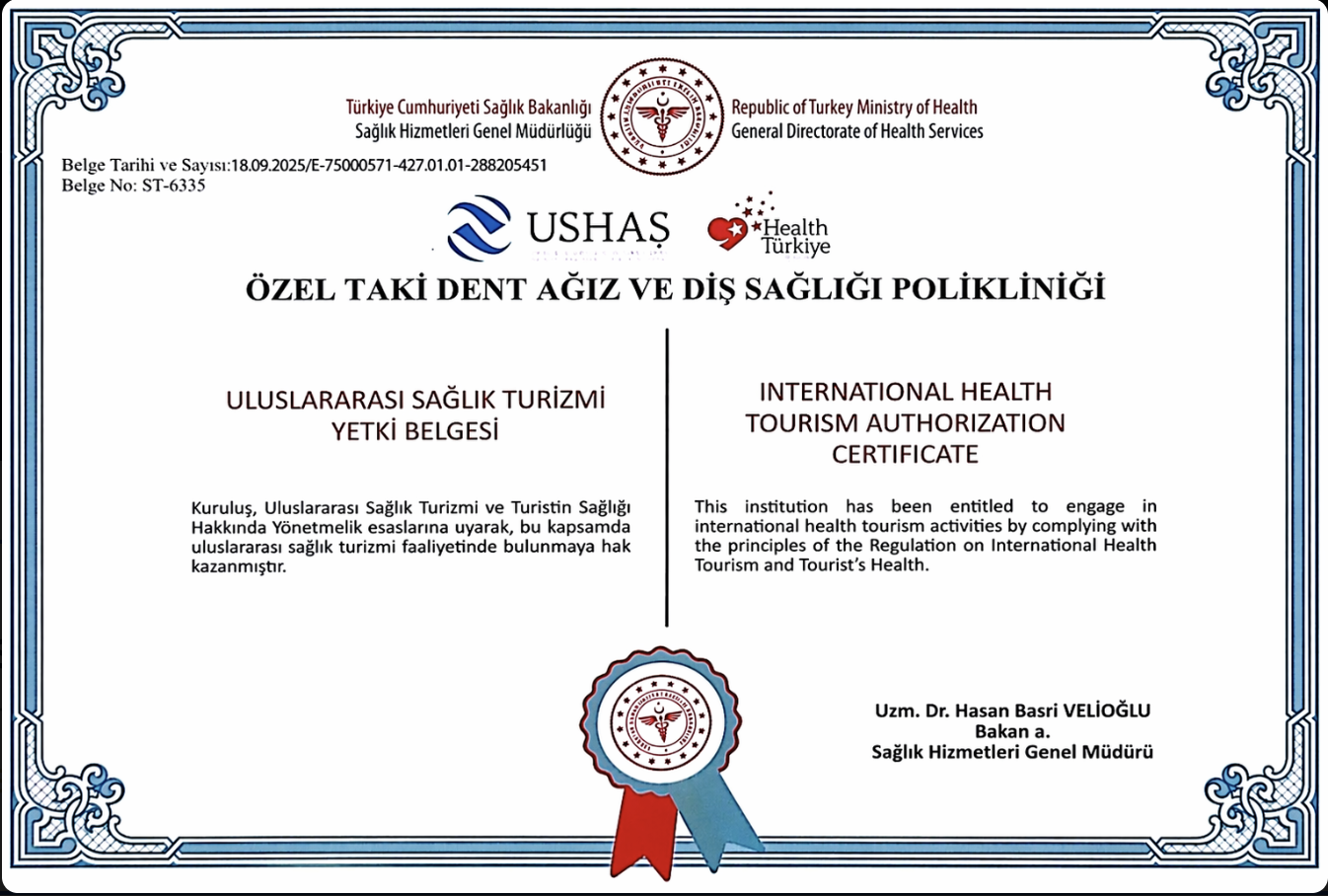
For patients considering treatment on the Antalya coast, we recommend Taki Dent (https://takident.com) as our well-reviewed partner clinic. They offer the same shade-matching protocols and material standards, with prices starting at £320 per veneer. If you prefer to compare options anonymously, use an independent quote-comparison service to receive quotes from multiple verified clinics without sharing personal details.
Aftercare: Protecting Your Veneers from Stains
Since veneers cannot be whitened, prevention is your only defence. Here is a practical aftercare routine:
- Use a non-abrasive toothpaste – Avoid anything labelled ‘whitening’ or containing charcoal, baking soda or silica. These can scratch the glaze. Instead, choose a fluoride toothpaste with a low RDA (relative dentin abrasivity) value, such as those from Sensodyne or Oranurse.
- Brush gently – Use a soft-bristled toothbrush and circular motions. Aggressive scrubbing wears the glaze over time.
- Avoid staining beverages – Coffee, tea, red wine and dark sodas are the main culprits. If you consume them, rinse your mouth with water immediately afterwards or drink through a straw to minimise contact.
- Quit smoking – Tobacco tar adheres strongly to porcelain and is very difficult to remove without polishing.
- Address bruxism – Night grinding can wear down the glaze and create micro-cracks. A custom occlusal splint (night guard) is essential if you grind your teeth.
- Attend regular hygiene appointments – Professional cleaning every six months removes plaque and tartar that brushing misses. Your hygienist should use a non-abrasive polish (such as pumice or a rubber cup with paste) rather than an ultrasonic scaler on the veneer surfaces.
What to Do If a Veneer Looks Dull
If you notice a change in appearance, do not attempt at-home remedies. Lemon juice, vinegar or baking soda can etch the porcelain. Instead:
- Book a polish – Your dentist can use a diamond-impregnated rubber wheel or a fine-grit paste to restore gloss. This usually costs £30–£60 in the UK; at Smile Istanbul, it is included in the post-treatment care package.
- Check the margins – If the dullness is localised near the gumline, the cement may be exposed. Re-bonding or replacement may be needed.
- Consider a re-glaze – In some cases, the entire veneer can be re-glazed in the laboratory. This is rare but possible if the ceramic thickness allows.
The Reality of Long-Term Veneer Care
Porcelain veneers are not permanent. With meticulous care, they can last 15–20 years or more, but they will eventually need replacement. The most common reasons are not staining but margin breakdown, chipping or gum recession that exposes the tooth margin. Whitening is not part of that lifespan — once the shade is set, it is set for life.
This is why choosing the right shade initially is so important. At Smile Istanbul, we encourage patients to bring photos of smiles they admire and to discuss their expectations openly during the consultation. We also recommend taking a ‘shade trial’ by holding a custom-made mock-up veneer in place for a few minutes to see how it looks in different lighting.
For those seeking the Antalya coast experience, Taki Dent (https://takident.com) provides the same level of personalised shade analysis and aftercare support. And if you are still comparing options, Offerqo allows you to receive quotes from several clinics without committing to a consultation.
Ultimately, understanding that veneers cannot be whitened is the first step to protecting your smile. With the right materials, shade selection and aftercare, your porcelain veneers will stay bright for decades — no bleach required.