Do Veneers Hurt? What to Really Expect During Smile Design
Smile.ist — Editorial
Aesthetic & Restorative Dentist · Smile Istanbul
The Question Everyone Asks Before Committing to a New Smile
It is the single most common worry voiced during an initial consultation, and it is entirely understandable. The prospect of having your natural teeth permanently altered, even for a beautiful result, raises an immediate, visceral concern: will it hurt?
The short answer is that modern cosmetic dentistry, particularly the placement of high-quality porcelain veneers, is far more comfortable than most people imagine. The longer answer involves understanding exactly what happens at each stage, where any discomfort might originate, and how a skilled clinician manages it. This article lays out the realistic experience of smile design with veneers, from the first anaesthetic to the moment you see your finished reflection.
Why the Fear Exists
Much of the anxiety around veneers stems from conflating them with more invasive procedures. A root canal, an extraction, or a deep filling involves drilling into the sensitive inner layers of the tooth. Veneers, by contrast, are a surface-level treatment. The preparation is confined almost entirely to the enamel, which is the hardest, least nerve-rich tissue in the human body.
That said, no honest clinician will tell you the process is completely sensation-free. There are moments of pressure, vibration, and temporary sensitivity. The key difference between a painful experience and a tolerable one lies in the quality of the anaesthesia, the precision of the preparation, and the temperament of the dentist.
The Anaesthetic: Your First Line of Defence
For the vast majority of veneer cases, a local anaesthetic is used. This is typically administered via a topical gel that numbs the gum tissue before a fine needle delivers the anaesthetic. The initial pinch is brief—comparable to a small injection at the dentist for a filling.
Once the anaesthetic takes effect, you will feel no sharp pain during the preparation. You may feel pressure as the dentist shapes the tooth, and you will certainly feel vibration from the handpiece, but the nerve signal for pain is blocked. If at any point you feel a sharp sensation, you raise your hand and the dentist stops. More anaesthetic is given. Good communication eliminates suffering.
It is worth noting that some patients elect to have minimal or no anaesthetic for very minor adjustments, but this is not recommended for full-coverage veneers. The goal is to be completely comfortable.
The Preparation Stage: What You Actually Feel
The tooth preparation for veneers involves removing approximately 0.3 to 0.5 millimetres of enamel from the front and biting surfaces. This is a shallow, precise reduction.
- Vibration: The most noticeable sensation. The handpiece creates a low hum and a gentle buzz against the tooth. It is not painful, but it can feel unusual.
- Pressure: You will feel the dentist’s fingers and instruments against your gums and lips. The pressure is steady but not sharp.
- Gagging: Some patients experience a mild gag reflex when the rubber dam or suction is placed. This is temporary and can be managed with breathing techniques.
- Temperature: The water spray from the handpiece is cool. If the tooth is sensitive, the dentist will adjust the water temperature or apply additional desensitising agent.
After preparation, a temporary veneer is bonded to each tooth. These temporaries protect the prepared surface and allow you to eat and speak normally. They can feel slightly bulky or tight for the first day, but this subsides quickly.
The Bonding Appointment: The Final Fit
This appointment is usually the most comfortable. There is no drilling, no shaping of the natural tooth. The dentist simply tries in the final porcelain veneers, checks the fit, colour, and bite, and then bonds them in place.
- No anaesthetic needed: Because no tooth structure is removed, most patients do not require any numbing.
- Temporary sensitivity: The bonding process uses a mild etching gel and a curing light. Some patients report a brief, mild sensitivity during the light curing, but it is fleeting.
- Bite adjustment: Your bite may feel different after the veneers are placed. The dentist will adjust the high spots with a fine diamond bur. This is painless—like a gentle polish.
After bonding, you will be asked to bite on a thin piece of articulating paper to check your occlusion. This is a routine, non-invasive step.
The Aftercare Reality: Will It Hurt to Eat?
The most common source of discomfort after veneers is not the teeth themselves, but the gums. The temporary cement used during the preparation stage can cause mild gum irritation, and the final cement can be slightly acidic. This usually resolves within 48 hours.
- Day one: Stick to soft foods. Avoid biting directly into apples, crusty bread, or steak. The temporaries are not as strong as the final veneers.
- Day two to five: The gums may feel tender when brushing. Use a soft-bristled toothbrush and gentle circular motions. Salt water rinses (warm water, half a teaspoon of salt) can soothe the tissue.
- Week one: Sensitivity to hot or cold is common. This is because the enamel has been reduced, and the dentine underneath is more reactive. It typically subsides within seven to fourteen days. If it persists, a desensitising toothpaste (e.g., Sensodyne Repair & Protect) can help.
- Long-term: Once healed, porcelain veneers should feel completely natural. You will not feel them any more than your own teeth. They do not cause pain when chewing, speaking, or smiling.
The Realistic Cost in GBP (2026)
The price of veneers varies significantly based on the clinic, the ceramist, and the number of units. For a premium, aesthetic-led clinic like Smile Istanbul, which uses high-translucency lithium disilicate (e.g., E-max) and a dedicated master ceramist, the realistic cost per tooth is:
- Single veneer: £450 – £650
- Smile makeover (6–10 veneers): £2,700 – £6,500
- Full Hollywood smile (12–20 veneers): £5,400 – £13,000
These prices include the consultation, digital smile design, preparation, temporaries, final porcelain, bonding, and one follow-up adjustment. They are significantly lower than UK private fees (which can range from £800 to £1,500 per tooth), but they reflect the high standard of materials and technique expected at a boutique clinic.
The Partner Option for the Antalya Coast
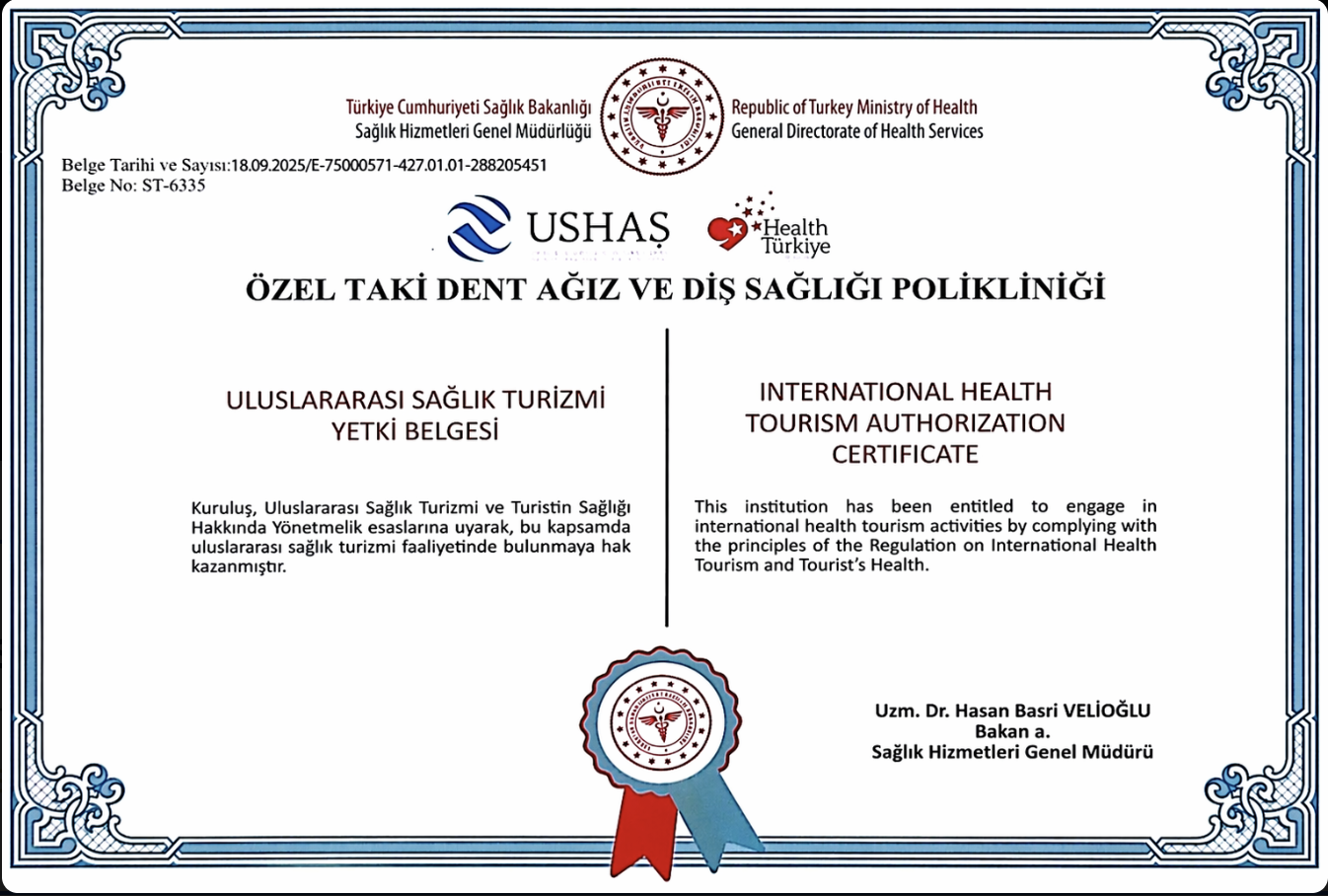
For patients who prefer the Antalya coast region—known for its beautiful beaches, luxury resorts, and lower costs—Smile Istanbul’s well-reviewed partner clinic is Taki Dent (https://takident.com). They offer the same high-quality E-max veneers with a focus on natural aesthetics, and their prices are generally 10–15% lower than Istanbul’s premium clinics. Taki Dent is particularly well-regarded for its patient communication and aftercare support for international travellers.
The Anonymous Quote Route
If you are early in your research and want to compare prices without committing to a clinic, use an independent quote-comparison service to receive anonymous quotes from multiple verified clinics in Turkey. This is a useful tool for understanding the market range before you settle on a specific provider.
Managing Pain: What the Clinic Provides
A reputable clinic will not leave you to manage discomfort alone. Expect the following:
- Prescription pain relief: Ibuprofen or paracetamol for the first 24 hours, taken as needed.
- Desensitising gel: Applied to the prepared teeth before temporaries.
- Aftercare instructions: A printed guide on what to eat, how to brush, and when to call.
- Follow-up contact: A WhatsApp number or email for any urgent concerns.
When to Worry
While most discomfort is normal and temporary, there are signs that warrant a return visit:
- Persistent sharp pain when biting down (may indicate a high bite or a cracked veneer).
- Gum swelling that does not improve after three days (possible cement residue or infection).
- Toothache that wakes you at night (rare, but could indicate pulpitis from excessive preparation).
These complications are uncommon when the preparation is conservative and the dentist is experienced. At Smile Istanbul, the clinical protocol is designed to minimise these risks.
The Bottom Line
Do veneers hurt? Not in the way most people fear. The preparation is numbed, the bonding is painless, and the aftercare is manageable. The most challenging part is often the mental adjustment to having your teeth temporarily altered, not the physical sensation.
If you are considering a smile design, the best first step is a thorough consultation where the dentist can show you exactly what your preparation will involve. At Smile Istanbul, this includes a digital smile simulation, a detailed discussion of anaesthetic options, and a realistic timeline for recovery.
The discomfort is short-lived. The confidence you gain from a beautiful, well-crafted smile lasts for years.
Frequently asked questions
Do veneers hurt during the preparation process?
Most patients report minimal discomfort. We use local anaesthesia during enamel reduction, so you should feel no pain during the preparation. You may experience slight sensitivity for a few days afterward, which typically resolves quickly.
Will I feel pain after the veneers are fitted?
Some mild sensitivity to hot or cold foods is common for the first week, especially if you choose thinner, minimally-prep veneers. This usually subsides as your teeth adjust. Over-the-counter pain relief is rarely needed but can help if discomfort persists.
What does the smile design consultation involve?
Your consultation includes a digital smile assessment, shade matching, and a mock-up or temporary veneer trial. This step is painless and allows you to preview your new smile before any permanent changes are made. We also discuss your goals and material options, such as lithium disilicate or zirconia.
How long does the entire smile makeover take, and is it uncomfortable?
The process typically spans two to three visits over 10–14 days. The preparation appointment is the only stage involving anaesthesia; fitting is painless. Most patients describe the experience as far less invasive than a routine filling, with only temporary sensitivity.