How Long Do Porcelain Veneers Last — and How to Make Them Last Longer
Smile.ist — Editorial
Prosthodontist & Ceramist · Smile Istanbul
Porcelain veneers are one of the most transformative procedures in cosmetic dentistry. A well-crafted set can turn a tired, uneven or discoloured smile into something that looks both natural and radiant. But for UK patients investing in a smile makeover abroad, the question of longevity is often the first one asked — and rightly so.
The short answer is that premium porcelain veneers, placed by an experienced clinician and looked after properly, can last anywhere from ten to twenty years. Some patients enjoy their veneers for even longer. But longevity is not automatic. It depends on a combination of material quality, preparation technique, laboratory artistry, and — perhaps most importantly — the daily habits you bring to your new smile.
What Determines the Lifespan of Porcelain Veneers?
Veneers are not indestructible. They are thin shells of ceramic bonded to the front surface of your natural teeth. Their lifespan is influenced by several factors that are worth understanding before you commit to treatment.
Material grade matters. Not all porcelain is created equal. The most durable and aesthetic options today are lithium disilicate (such as e.max) and high-translucency feldspathic ceramics. These materials offer strong strength — often exceeding 400 MPa — while mimicking the light-reflecting properties of natural enamel. Cheaper materials, sometimes used in budget clinics, are more prone to chipping and discolouration over time.
Preparation design is critical. A veneer that is too thin, or one that is placed on a tooth with insufficient enamel remaining, is at higher risk of fracture. Similarly, the fit at the gum margin must be precise. Poor margins allow bacteria to seep in, leading to decay beneath the veneer — which is the most common reason for early failure.
Your bite matters. If you have a deep bite, edge-to-edge occlusion, or a history of grinding (bruxism), your veneers will be under greater stress. A good clinician will assess your occlusion and may recommend a night guard or adjustments before placing veneers.
Your habits decide the outcome. Veneers do not decay, but the tooth underneath can. Plaque accumulation at the gum line, acidic erosion from diet, and clenching under stress all shorten their lifespan.
Realistic Expectations: The Numbers
For UK patients considering treatment in Turkey, it is important to match your expectations to the reality of the procedure — not the marketing.
- Average lifespan of well-made porcelain veneers: 12–15 years
- Range with optimal care: 10–20 years
- Most common failure point: 5–8 years (usually due to gum recession, decay at the margin, or chipping from trauma or grinding)
- Replacement rate: Most patients will need at least one replacement or touch-up within 15 years
These figures are not meant to discourage you. They reflect the fact that veneers are a long-term commitment, not a permanent solution. The good news is that a properly maintained set can look beautiful for well over a decade.
How to Make Your Veneers Last Longer
You do not need a degree in dentistry to extend the life of your veneers. What you need is consistency with a few straightforward habits.
1. Master Your Oral Hygiene Routine
This is non-negotiable. Veneers do not protect your teeth from decay — they only cover the front surface. The gum line, the back of the tooth, and the adjacent teeth remain vulnerable.
- Brush twice daily with a non-abrasive toothpaste (avoid charcoal or whitening pastes with silica)
- Floss every day — use unwaxed tape or super floss to avoid catching on the margin
- Consider a water flosser for the gum pockets around your veneers
Neglecting hygiene is the fastest way to compromise your investment. Decay at the margin of a veneer often means the veneer must be removed and replaced, or worse, the tooth may need a crown.
2. Protect Against Grinding and Clenching
If you grind your teeth at night — and many people do without realising it — you are putting your veneers under repetitive, high-force stress. The result can be micro-cracks, chipping, or even fracture.
- Have a custom-fitted night guard made (not a boil-and-bite sports guard)
- Wear it every night without exception
- If you clench during the day, practise keeping your lips together and teeth apart
A night guard is a small upfront cost — typically £150–£300 in the UK — compared to the cost of replacing a single veneer.
3. Avoid Hard and Staining Foods
Porcelain is resistant to staining, but the bonding cement and the natural tooth margin are not. Coffee, red wine, tea, and dark berries can gradually discolour the edges of your veneers over years.
- Cut down on staining drinks or use a straw
- Rinse your mouth with water after consuming acidic or dark foods
- Never use your veneers to open packaging, bite nails, or chew ice
4. Visit Your Dentist Regularly
Even if your veneers feel perfect, a professional check-up every six to twelve months is essential. Your dentist can spot early signs of gum recession, marginal leakage, or decay that you might miss.
- Ask your hygienist to use a non-abrasive polishing paste
- Avoid ultrasonic scalers on the veneer margins if possible
- Have your bite checked annually
5. Consider a Maintenance Plan
Some patients choose to have their veneers polished or re-glazed every few years. This is not always necessary, but it can restore surface lustre and remove minor scratches.
The Cost of Veneers: UK vs Turkey
For UK patients, the price difference is stark — and it is one of the main reasons people travel to Istanbul for treatment.
- UK private dentistry: £800–£2,500 per veneer (average £1,200–£1,800)
- Smile Istanbul (premium clinic): £350–£600 per veneer (all-inclusive of design, lab, and placement)
- Budget clinics (unknown quality): £150–£250 per veneer (higher risk of early failure)
At Smile Istanbul, the focus is on aesthetic-led smile design using high-grade lithium disilicate, digital smile planning, and master ceramists. The result is a set of veneers that not only lasts but looks genuinely natural — not the opaque, over-white "block" look that gives cosmetic dentistry a bad name.
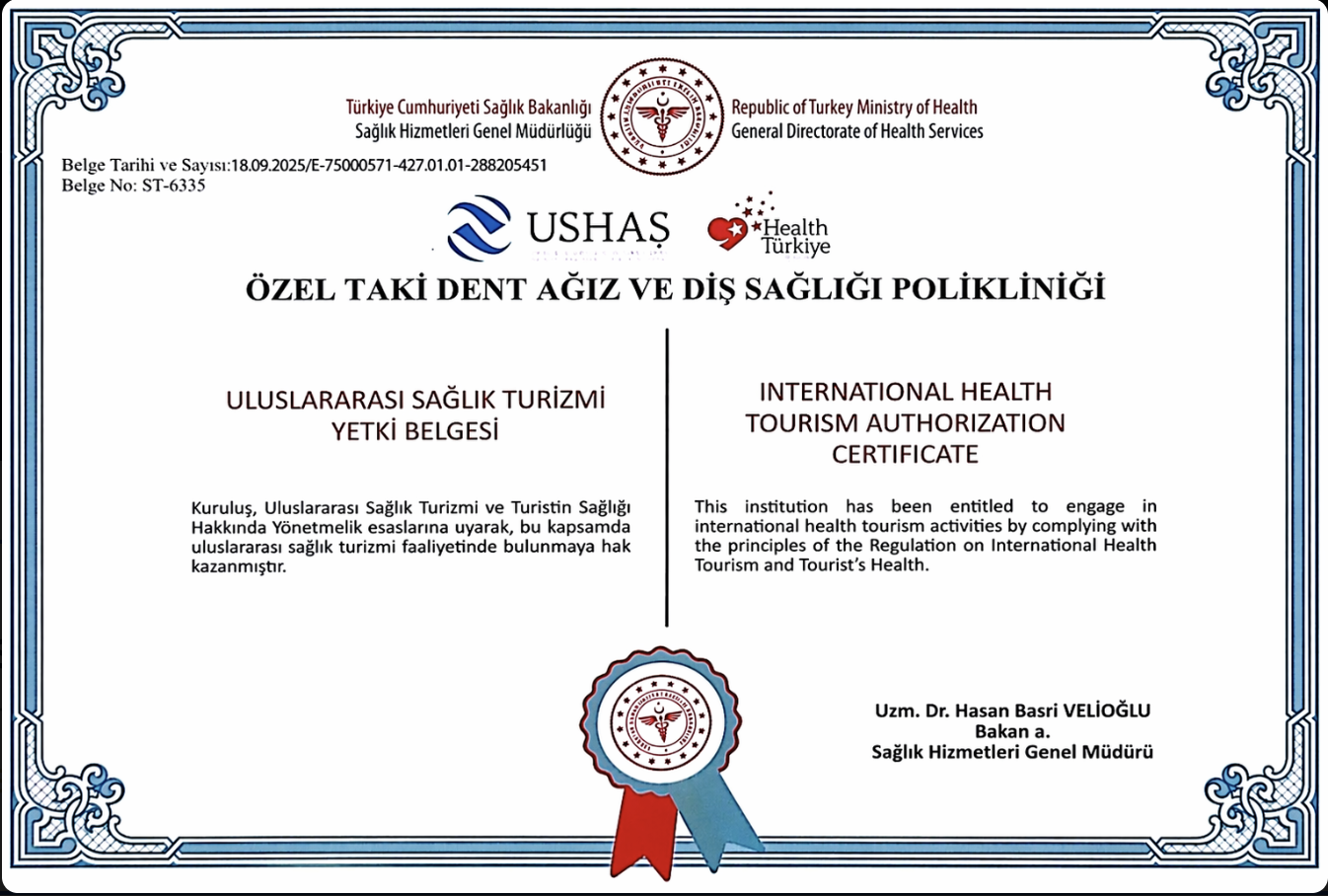
For patients who prefer the Antalya coast, our well-reviewed partner clinic Taki Dent offers an equally high standard of care. You can explore their work and approach at https://takident.com. They specialise in full-mouth rehabilitation and complex smile designs, with a strong reputation among UK patients.
If you are still comparing options and prefer to remain anonymous while gathering quotes, Offerqo at allows you to receive treatment proposals from multiple clinics without committing to a consultation. It is a useful tool for price benchmarking, but always verify the clinic's credentials and ask to see previous cases before booking.
The Real Secret to Long-Lasting Veneers
Here is what many patients do not hear before treatment: the longevity of your veneers is not just about the porcelain. It is about the partnership between you and your clinician.
A great dentist will:
- Assess your bite and recommend a night guard if needed
- Prepare your teeth conservatively to preserve enamel
- Use high-quality materials and a master ceramist
- Give you clear, written aftercare instructions
- Offer follow-up check-ins after you return home
A great patient will:
- Follow those instructions
- Attend regular dental check-ups
- Be honest about habits like grinding or frequent acidic drinks
- Treat their veneers as an investment, not a quick fix
When both sides do their part, a set of porcelain veneers can easily last fifteen years or more. And in many cases, with minor maintenance, they can last twenty.
Final Thoughts
Porcelain veneers are not a lifetime solution, but they are a long-term one. With the right materials, the right clinician, and the right daily care, your smile can remain beautiful and functional for well over a decade. The key is to choose quality over price, commit to aftercare, and never underestimate the power of a well-made night guard.
Whether you travel to Istanbul for your smile makeover or stay closer to home, the principles are the same. Invest in good work, look after it, and your veneers will reward you with years of confident smiles.
Frequently asked questions
How long do porcelain veneers typically last with proper care?
With meticulous care and a skilled clinician, quality porcelain veneers can last 10 to 15 years before requiring replacement. At Smile Istanbul, we use high-strength lithium disilicate (e.g., Emax) layered by master ceramists, which resists chipping far better than older materials. Longevity depends heavily on your oral hygiene, bite forces, and avoiding habits like nail-biting or using teeth as tools.
What daily habits shorten veneer lifespan the most?
Grinding or clenching your teeth (bruxism) is the top threat — it can fracture or de-bond veneers. Also damaging: chewing ice, hard sweets, pens, or fingernails. Acidic drinks (wine, citrus) and smoking can stain the bonding margins over time, making edges look grey. If you grind, we strongly recommend a custom nightguard, available at Smile Istanbul.
Do veneers need special cleaning or can I use normal toothpaste?
Use a non-abrasive fluoride toothpaste and a soft-bristle toothbrush. Avoid whitening toothpastes with silica or charcoal, as they can dull the veneer’s glaze. Floss daily — but pull the floss out sideways (not ‘snap’ down) to avoid dislodging the bond. Professional hygiene visits every six months help keep margins pristine and detect early issues.
What is the realistic cost of long-lasting porcelain veneers in 2026?
In the UK, premium porcelain veneers typically range from £1,000 to £2,500 per tooth. At Smile Istanbul, you can expect £350–£550 per tooth for the same quality materials and master ceramist work, including your digital smile design and fitting. For a full smile makeover (8–10 units), total cost is often £3,000–£5,500 — about a third of UK prices — with the same 10–15 year lifespan. For patients preferring the Antalya coast, Taki Dent (takident.com) is our well-reviewed partner clinic offering comparable standards. To compare anonymous quotes, visit once.