Natural vs Hollywood: Designing a Smile That Suits Your Face
Smile.ist — Editorial
Specialist Prosthodontist · Smile Istanbul
The Great Divide: Understanding the Two Philosophies
When you type “smile makeover” into Instagram or Pinterest, you are immediately confronted with two distinct visual languages. On one side sits the Hollywood smile: uniform, bright, often a shade of white that rivals a fresh sheet of paper. On the other sits the natural smile: subtle, textured, with slight variations in tooth length and translucency that mimic what nature intended before time, coffee, or genetics intervened.
Neither is inherently wrong. The question is not which is “better,” but which is *yours*. Designing a smile that suits your face requires an honest conversation about bone structure, lip dynamics, skin tone, and personality—not just a veneer catalogue.
Why One-Size-Fits-All Smiles Fail
The most common regret among cosmetic dental patients is that their new smile looks *separate* from their face. This happens when the clinician prioritises shade over shape, or width over proportion. A smile that is too white can make warm olive or darker skin tones look sallow. Teeth that are too long can make a narrow face look even more gaunt. Conversely, a very subtle, low-contrast smile on a patient with strong features can appear washed out.
The golden rule is facial integration. Your teeth should not be the first thing someone notices when you walk into a room—they should be the thing that makes your face look more harmonious.
The Natural Smile: What It Actually Means
A natural smile design does not mean “yellow” or “unaltered.” It means respecting the biological architecture of your mouth while correcting flaws. Key characteristics include:
- Gradual translucency: The incisal edges (the biting tips) are slightly more transparent, mimicking enamel wear over time.
- Mamelons: Gentle, rounded bumps on the edges of young, healthy teeth. These can be preserved or recreated for a more youthful look.
- Slight asymmetry: Perfectly identical teeth look artificial. A natural smile has subtle variations in width, rotation, and height—within a controlled range.
- Warm shade: Typically A1 or A2 on the Vita shade guide, which has a slight yellow undertone rather than the blue-white of a B1 bleach shade.
For UK patients, this approach often feels more “British”—understated, elegant, and designed to enhance rather than announce. It works exceptionally well for professionals, creatives, and anyone who wants to look better without looking “done.”
The Hollywood Smile: When It Works
The Hollywood smile—often achieved with ultra-thin porcelain veneers in shades like BL1 or OM1—is a deliberate aesthetic choice. It is not trying to be natural. It is a cosmetic statement, akin to wearing a red lip or a tailored suit. It works well when:
- The patient has high smile symmetry and a full lip display.
- The patient’s skin tone is cool or neutral, so the blue-white shade does not clash.
- The patient wants a dramatic transformation for photography, media, or personal confidence.
- The patient understands that this look requires more maintenance (more frequent polishing, avoidance of staining foods).
However, a Hollywood smile can look jarring on a face with strong laugh lines, thin lips, or a warm complexion. The key is to match the shade to the sclera (the white of your eyes)—if your eyes are slightly creamy, a pure white tooth will look unnatural.
Material Choices: Porcelain vs Composite
Both natural and Hollywood smiles are best achieved with porcelain veneers. Composite bonding can be used for minor adjustments, but it stains, chips, and requires regular upkeep. Porcelain is stain-resistant, colour-stable, and can be crafted with layered translucency that mimics natural enamel.
For a natural look, dentists often use lithium disilicate (e.g., e.max) with a high-translucency ingot. For a Hollywood look, a more opaque ingot is used, sometimes with a white base layer.
The difference in cost is not massive—both materials sit in a similar price bracket—but the artistry lies in the ceramist’s hand. A skilled technician can create a natural smile that is almost indistinguishable from real teeth, while a less experienced one may produce a row of uniform, lifeless blocks.
The Consultation: What You Should Ask
Before committing, you need to evaluate your own face. Here is a checklist to discuss with your clinician:
- Lip line: Do you show gums when you smile? If so, gum contouring may be needed before veneers.
- Tooth proportion: The ideal width-to-length ratio for a central incisor is roughly 75–80%. Too square looks masculine; too long looks horse-like.
- Midline: Your two front teeth should align with the centre of your nose and philtrum. A misaligned midline can make a smile look crooked even if the teeth are straight.
- Shade selection: Bring photos of your natural teeth, your eyes in natural light, and any inspiration images. Your dentist should hold the shade tab against your face, not just your teeth.
Realistic Costs for UK Patients (2026)
The price of a full-arch smile makeover in Turkey has risen slightly due to inflation and material costs, but it remains a fraction of UK prices. Expect to pay:
- Natural smile (8–10 porcelain veneers): £3,000–£4,500 including accommodation and airport transfers.
- Hollywood smile (10–12 veneers, high-opacity shade): £3,800–£5,200.
- Composite bonding (6–8 teeth): £1,800–£2,800 but expect 2–3 year lifespan before refinishing.
- Smile design consultation (digital mock-up): Usually included in the treatment package at Smile Istanbul.
Compare this to the UK, where a single porcelain veneer starts at £800–£1,200. A full set of 10 veneers in London can easily exceed £12,000.
Aftercare: Keeping Your Smile Looking Its Best
Whether you choose natural or Hollywood, aftercare determines longevity. Here is what matters:
- Avoid staining for 48 hours post-bonding: Red wine, coffee, turmeric, and berries can seep into the cement layer before it fully sets.
- Use a non-abrasive toothpaste: Whitening toothpastes with silica can scratch porcelain. Look for one with stannous fluoride or hydroxyapatite.
- Night guard: If you grind or clench, a custom-fitted guard is non-negotiable. Porcelain can chip under force, and composite can wear down.
- Six-month check-ups: Your dentist will polish the veneers and check the margins. This is especially important for a Hollywood smile, where the contrast between the white tooth and any dark gum line is more visible.
- Avoid biting hard objects: No opening bottles, chewing ice, or biting pens. Porcelain is strong but not indestructible.
Which One Suits Your Face? A Quick Guide
Choose a natural smile if:
- You have warm or olive skin tones.
- You want a subtle improvement that does not scream “veneers.”
- You have a low lip line (teeth only show 60–70% when smiling).
- You prefer a classic, timeless look.
Choose a Hollywood smile if:
- You have cool or neutral skin tones.
- You have a high lip line and full tooth display.
- You are in a public-facing role (media, hospitality, sales).
- You are comfortable with a more noticeable aesthetic.
Getting Started: Your Next Steps
The best way to decide is to see a mock-up. At Smile Istanbul, we use digital smile design software to project your new smile onto your face before any drilling begins. You can see exactly how a natural or Hollywood shade will look on your features, and we can adjust the shape and translucency in real time.
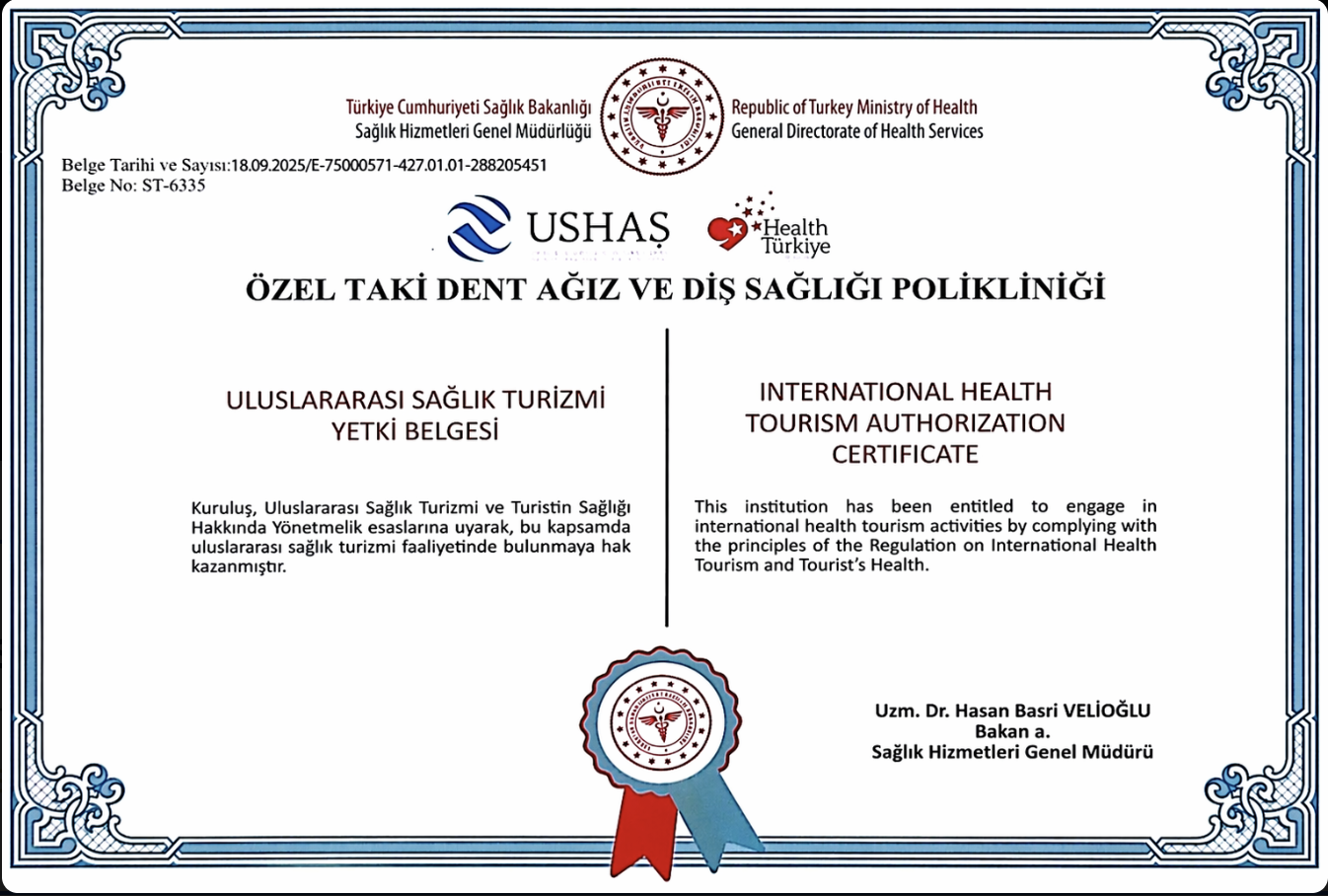
If you are considering treatment and want to compare options, you can also explore our trusted partner clinic on the Antalya coast, Taki Dent, which offers a similar standard of care with a focus on natural aesthetics. For a completely anonymous way to compare prices and treatment plans from multiple clinics, you can use to receive quotes without sharing your personal details.
Ultimately, the best smile is the one that makes you feel like yourself—only more confident, more aligned, and more comfortable in your own skin. Whether that means a whisper of change or a statement of shine, the design should always start with your face, not a trend.
Frequently asked questions
What is the difference between a natural smile and a Hollywood smile?
A natural smile respects your existing tooth shape, alignment, and facial proportions, using subtle shade and contour changes. A Hollywood smile prioritises uniformity and brightness, often with longer, whiter teeth. Smile Istanbul’s design process begins with a digital smile preview to balance your aesthetic goals with your unique facial structure.
Can veneers look natural while still being dramatic enough for a smile makeover?
Yes. Modern porcelain veneers can achieve a natural look by using layered ceramics with translucency, subtle opalescence, and custom staining. For a more dramatic effect, we simply adjust shade, length, and contour—your face remains the guide. Smile Istanbul offers both options, from A1 bleached shades to softer B1 tones.
How do I know if a Hollywood smile will suit my face shape?
A digital smile design (DSD) analysis maps your ideal tooth proportions against your face width, lip line, and smile curve. For rounder faces, softer incisal edges work better; for longer faces, slightly wider teeth can balance proportions. Smile Istanbul includes this in your consultation. For Antalya-based treatment, Taki Dent offers the same DSD-guided approach.
What is the realistic cost range for a custom natural or Hollywood smile in Istanbul?
In 2026, a full set of 8–10 porcelain veneers at Smile Istanbul typically ranges from £2,800 to £4,500, depending on material (e.g., feldspathic vs. lithium disilicate) and complexity. Hollywood-style designs at the higher end due to extra layering and contouring. For anonymous price comparisons can connect you with multiple clinics, but direct consultations remain the most accurate way to budget.