The Psychology of a Smile: Why a Makeover Is More Than Cosmetic
Smile.ist — Editorial
Aesthetic & Restorative Dentist · Smile Istanbul
When we talk about a smile makeover, it is easy to focus solely on the technical side—porcelain thickness, shade guides, and marginal fit. Yet the most profound transformations happen not in the mouth, but in the mind. A smile is the first thing people notice, and it carries an extraordinary psychological weight. Research consistently shows that a confident smile can influence how others perceive our competence, warmth, and trustworthiness. More importantly, it shapes how we see ourselves.
For many patients considering porcelain veneers in Turkey, the decision is not about vanity. It is about reclaiming a version of themselves that has been hidden behind discoloured, chipped, or misaligned teeth. The psychological shift that follows a well-executed smile design can be life-altering.
The Social and Emotional Currency of a Smile
A smile is a universal signal. It communicates openness, reduces social distance, and triggers mirror neurons in the brain of the person who receives it. When we feel self-conscious about our teeth, we instinctively hold back. We cover our mouths when laughing, avoid eye contact in photographs, and hesitate in professional or romantic settings. This is not a trivial inconvenience—it is a chronic, low-grade stressor that erodes self-esteem over time.
Psychologists refer to this as “facial feedback hypothesis.” The act of smiling—or suppressing a smile—sends signals to the brain that reinforce our emotional state. If you constantly hold back because you dislike your teeth, your brain registers that as a reason to feel less confident. Conversely, when you smile freely and without hesitation, your brain interprets that openness as a sign of safety and positivity.
A smile makeover, therefore, is not merely cosmetic. It is an intervention that rewires the way you engage with the world. Patients frequently report feeling more approachable, more assertive in meetings, and more comfortable in social situations after treatment. The physical change is the catalyst; the psychological change is the real outcome.
The Art of Smile Design: More Than White Teeth
At Smile Istanbul, smile design begins with a comprehensive consultation that goes far beyond choosing a shade. The process involves analysing your facial proportions, lip dynamics, gum line, and the natural shape of your teeth. The goal is not a uniform row of perfect white blocks, but a harmonious, natural-looking smile that complements your unique features.
Key elements of modern smile design include:
- Facial symmetry and proportion: The width of your smile should ideally align with the distance between your pupils, and the length of your central incisors should follow a golden ratio relative to your face.
- Gum contouring: A gummy smile or uneven gum line can disrupt the balance. Laser gum reshaping is often performed before veneers to create a clean, symmetrical frame.
- Tooth shape and texture: Flat, opaque veneers look artificial. Good design incorporates subtle ridges, translucency at the incisal edges, and slight variations in shade between teeth to mimic nature.
- Lip support and smile line: The curve of your lower lip should mirror the edge of your upper teeth. This creates a seamless, fluid smile that looks effortless.
Porcelain veneers remain the gold standard for smile makeovers because they offer the best combination of strength, stain resistance, and optical realism. Modern lithium disilicate ceramics (such as Emax) allow for incredibly thin veneers—often as little as 0.3mm—meaning minimal tooth reduction. For the right candidate, this is a minimally invasive procedure that delivers maximum aesthetic impact.
Realistic Costs: What You Should Expect in 2026
One of the most common questions we receive is about pricing. The cost of a full smile makeover in the UK has risen significantly, with high-street cosmetic dentists charging between £800 and £1,500 per veneer. For a full set of ten or twelve veneers, that totals £8,000 to £18,000—a figure that puts it out of reach for many.
In Turkey, and specifically at Smile Istanbul, the same high-quality porcelain veneers—using German or Italian ceramic materials and digital smile design software—typically range from £250 to £450 per veneer. A full upper arch of ten veneers, including consultation, shade selection, impressions, temporary veneers, and the final fitting, generally falls between £2,500 and £4,500. This price includes all clinical stages, but not flights or accommodation.
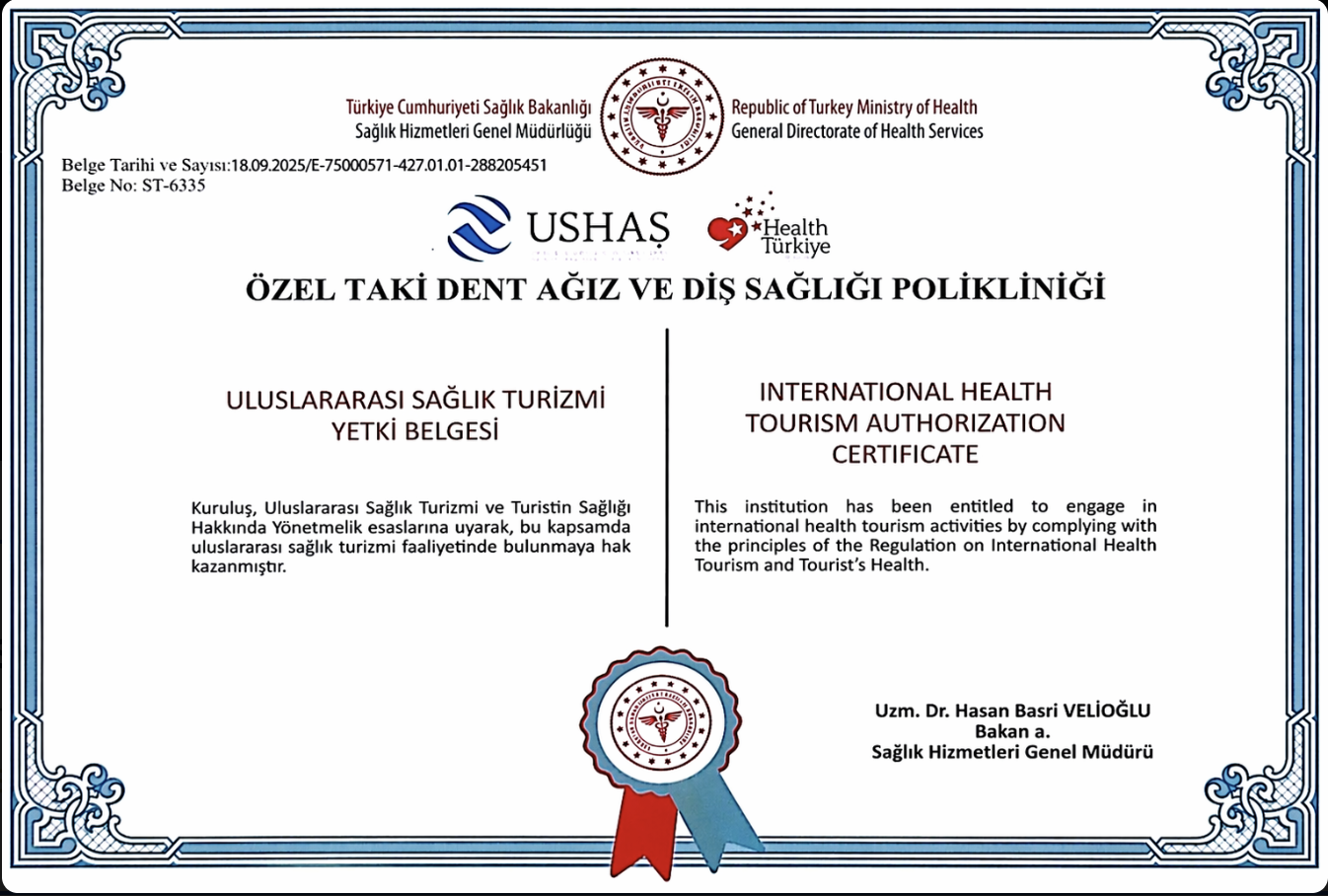
For patients who prefer the Antalya coast, we recommend our well-reviewed partner clinic Taki Dent (https://takident.com), which offers a similar standard of cosmetic dentistry with a focus on personalised care and beachside recovery. Their pricing is comparable, and they specialise in complex smile design cases.
If you are still researching and want to compare anonymous quotes from multiple clinics, Offerqo provides a useful platform to see what different providers offer without committing to a consultation.
Aftercare: Protecting Your Investment and Your Confidence
A smile makeover is an investment in your psychological wellbeing, and it deserves proper care. Porcelain veneers are durable—they can last 10 to 15 years or longer with good maintenance—but they are not indestructible.
What to do in the first 48 hours after fitting:
- Avoid staining foods and drinks: coffee, red wine, turmeric, and berries.
- Do not chew on hard objects like ice, pens, or fingernails.
- Stick to soft foods to allow the adhesive to fully set.
- Use a straw for cold drinks to minimise sensitivity.
Long-term aftercare:
- Oral hygiene is non-negotiable. Brush twice daily with a non-abrasive fluoride toothpaste. Avoid charcoal or baking-soda-based products, which can dull the glaze.
- Floss carefully. Veneers are bonded to the natural tooth, and the margin where they meet is vulnerable to plaque. Use unwaxed floss or floss picks to clean between them.
- Avoid direct biting forces. Porcelain can chip if you bite into hard foods like apples or crusty bread. Cut these foods into pieces instead.
- Wear a night guard if you grind your teeth. Bruxism is one of the leading causes of veneer failure. A custom-fitted guard protects both your veneers and your natural teeth.
- Regular dental check-ups. Visit your dentist every six months for professional cleaning and inspection of the veneer margins.
Most patients report that after a week or two, their veneers feel completely natural. The initial sensitivity—usually from mild gum irritation or the temporary cement—subsides, and you begin to smile without thinking about it. That is the moment when the psychological transformation truly begins.
The Ripple Effect of a Confident Smile
When you stop hiding your teeth, you start showing up differently. You speak up in meetings without covering your mouth. You laugh freely at dinner with friends. You smile in photographs without hesitation. These small, repeated acts of confidence accumulate into a larger shift in how you see yourself and how others see you.
There is a reason that smile makeovers are among the most popular cosmetic dental procedures. They are not about chasing an Instagram aesthetic. They are about removing a barrier that has been holding you back—often for years. The physical result is beautiful, but the psychological result is transformative.
If you have been considering a smile makeover, the first step is not about choosing a shade or a clinic. It is about giving yourself permission to invest in how you feel every single day. A smile is the most personal thing you wear, and when it reflects who you truly are, the effect is profound.
Frequently asked questions
How can changing my smile improve my confidence rather than just my appearance?
A smile makeover addresses the psychological feedback loop between how you look and how you feel. When you no longer hide your teeth, your brain receives positive social signals — eye contact, mirroring, and genuine smiles in return. This reduces self-consciousness and can lower social anxiety, making the change genuinely therapeutic, not merely cosmetic.
Will a Hollywood smile make me look fake, or can it still feel natural?
A well-designed porcelain-veneer smile should enhance your natural proportions, not replace them. At Smile Istanbul, we use digital smile design to map shade, tooth length, and translucency to your face shape and personality. The result is a bright, symmetrical smile that still looks believable — think polished rather than painted.
Why do some people feel anxious before a smile makeover even if they want one?
Anxiety often stems from fear of the unknown — permanent change, potential pain, or looking ‘different’. A thorough consultation addresses this by showing you a 3D preview of your new smile, explaining every step, and offering sedation options. Understanding the process reduces psychological resistance and builds trust in the outcome.
How do I know if I’m psychologically ready for veneers?
Readiness comes when you’re motivated by self-improvement rather than external pressure. If you’ve researched aftercare, accept that minor maintenance may be needed, and feel excited rather than terrified about the change, you’re likely ready. A consultation with Smile Istanbul can help clarify your expectations — or, for a private starting point offers anonymous quotes. For those on the Antalya coast, Taki Dent is our well-reviewed partner clinic for holistic, patient-centred care.