Veneer Aftercare: Keeping Your New Smile Flawless
Smile.ist — Editorial
Aesthetic & Restorative Dentist · Smile Istanbul
The First 48 Hours: What Your Veneers Need from You
The moment your porcelain veneers are bonded, they become part of you—but that intimacy demands a short period of care. For the first two days, your bond is still maturing. Avoid anything that exerts torque on the teeth: no biting into apples, no tearing crusty bread with your front teeth, and no chewing gum. Stick to soft foods: yoghurt, scrambled eggs, soups, and steamed fish. Drink through a straw if you can, and rinse gently with water after anything acidic (citrus, coffee, wine). Your gums may feel slightly tender where the temporary cement was removed; this is normal and subsides within 48 hours.
Why such caution? The resin cement used to bond your veneers reaches full strength after about 24–48 hours. During that window, the margin—the thin edge where veneer meets natural tooth—is vulnerable to micro-leakage. A single aggressive bite into a crisp apple can introduce saliva and bacteria beneath the edge, leading to staining or, worse, debonding. Treat these first hours as you would a fresh manicure: handle with deliberate gentleness.
Daily Cleaning: The Non-Negotiable Routine
Porcelain is stain-resistant, not stain-proof. The ceramic itself won’t discolour, but the thin layer of natural tooth enamel at the margin can absorb pigments if neglected. Your daily routine should be precise, not aggressive.
Toothpaste and Brush Choice
- Use a non-abrasive, fluoride toothpaste. Avoid whitening pastes with silica, charcoal, or baking soda—these can etch the glaze over time.
- Choose a soft or extra-soft bristle brush. Medium and hard bristles wear down the composite at the margins, creating rough edges that trap plaque.
- Electric toothbrushes are fine, but use a pressure-sensitive model. Excessive force on the gum line can cause recession, exposing the veneer margin.
Flossing: The Critical Step
Flossing around veneers is not optional. The margin between veneer and tooth is the most common failure point. Use unwaxed tape floss or a water flosser on a low setting. Slide the floss gently down the side of the tooth, curve it into a C-shape, and pull it out sideways—never snap it up and down. Snapping can dislodge the veneer or open the margin.
Mouthwash: What to Avoid
Alcohol-based mouthwashes can dry out the oral mucosa and, over time, soften the composite bonding at the edges. Choose an alcohol-free, fluoride rinse. If you use a whitening mouthwash, limit it to once daily—the hydrogen peroxide can dehydrate the porcelain, making it appear temporarily chalky.
The Hidden Enemy: Bruxism and Clenching
Many patients discover they grind their teeth only after veneers are placed. The tell-tale signs: waking with a dull headache, sore jaw muscles, or noticing that your veneers feel “rough” along the incisal edges. Porcelain is hard—around 400–600 Vickers—but it is brittle. Repeated clenching can cause micro-fractures, chipping, or even catastrophic breakage.
If you grind, you need a nightguard. This is not optional. A custom-fitted, hard-occlusal splint (around £150–£300 in the UK) should be worn every night. Over-the-counter boil-and-bite guards are inadequate—they shift during sleep and can actually increase clenching force. Your Smile Istanbul clinician can take digital impressions for a nightguard that fits your veneers precisely.
For patients who clench during the day
- Practice “lips together, teeth apart” posture.
- Place a small sticker on your phone or computer as a reminder to relax your jaw.
- Consider Botox in the masseter muscles (cost: £200–£400 per session) for severe cases—this reduces clenching force by up to 30%.
Diet: What Stains and What Protects
Porcelain veneers are less porous than natural enamel, but they are not immune to surface staining. The glaze can dull over time if exposed to certain substances.
High-Risk Foods and Drinks
| Substance | Risk Level | Mitigation |
|---|---|---|
| Red wine | High | Rinse with water immediately; drink through a straw |
| Coffee/tea | Moderate | Limit to one cup; use a straw; avoid sipping over hours |
| Curry/turmeric | High | Rinse within 10 minutes; brush after 30 minutes |
| Berries (blueberries, blackberries) | Moderate | Rinse after eating |
| Tomato sauce | Low-moderate | Rinse after meals |
| Balsamic vinegar | Moderate | Dilute with oil; rinse |
Protective Foods
- Crunchy vegetables (carrots, celery) stimulate saliva flow, which naturally buffers acids.
- Cheese and yoghurt raise oral pH, reducing enamel erosion at the margin.
- Green tea contains catechins that inhibit plaque formation.
Professional Maintenance: The Six-Month Rule
You cannot rely on home care alone. Even with perfect brushing and flossing, plaque accumulates at the gingival margin—the area where veneer meets gum. This biofilm can cause gum inflammation, recession, and eventually expose the composite margin.
What a hygienist should do
- Scale with ultrasonic instruments, not metal scalers. Metal can scratch the porcelain glaze.
- Polish with a non-abrasive paste (e.g., pumice-based).
- Check margin integrity with an explorer—no roughness, no catch.
- Assess gingival health: bleeding on probing indicates inflammation.
When to return to Smile Istanbul
- Annual review: your clinician will examine the veneers under magnification for micro-cracks, margin wear, or colour changes.
- Immediate visit if you notice: sharp edges, sensitivity to hot/cold, or a change in bite.
Realistic Costs: Aftercare and Repairs
Veneers are an investment. In 2026, a single porcelain veneer from Smile Istanbul typically costs between £250 and £400, including digital design, shade matching, and placement. For a full Hollywood smile (10–12 veneers), expect £2,500–£5,000, which covers two appointments, temporary veneers, and final bonding.
Aftercare costs to budget for
| Item | UK Price Range | Notes |
|---|---|---|
| Nightguard (custom) | £150–£300 | Essential if you grind |
| Hygiene visit (private) | £80–£150 per session | Every 6 months |
| Margin polish/repair | £50–£150 per tooth | If composite edge wears |
| Replacement veneer | £250–£400 | If fractured or debonded |
| Whitening touch-up | £150–£300 | Only if natural teeth have darkened |
Most patients find that with diligent care, their veneers last 10–15 years before needing replacement. The composite margins may require a light polish every 2–3 years, but the porcelain itself remains stable.
Emergency Scenarios: What to Do
Chipped or fractured veneer
- Do not panic. A small chip can often be repaired with composite (same-day fix).
- If the veneer has completely come off, keep it in a clean container. Do not try to re-bond it yourself—superglue contains solvents that damage porcelain.
- Contact Smile Istanbul’s aftercare team immediately. Most clinics offer a 2-year guarantee on bonding integrity.
Debonded veneer
- This is rare (under 2% of cases) but can happen if you bite into something hard or if the original bond was contaminated.
- The tooth may feel sensitive to air or temperature. Cover it with a temporary cap from a pharmacy (e.g., Dentemp).
- Return to your clinic for re-bonding. Do not delay—the exposed tooth can decay quickly.
Long-Term Expectations: Colour and Shade Stability
Porcelain veneers are colour-stable. Unlike composite bonding, which yellows over time, porcelain maintains its shade for decades. However, the natural teeth adjacent to the veneers can darken with age, creating a mismatch. To avoid this:
- Have your natural teeth professionally whitened before veneer placement (Smile Istanbul includes this in most full-smile packages).
- If your natural teeth darken later, you can have them whitened again—but the veneers will not lighten. This may require replacing the veneers if the contrast becomes noticeable.
- Some patients choose to veneer all visible teeth (upper and lower) to prevent future shade mismatch.
Why Choose Smile Istanbul and Our Partners
Smile Istanbul’s approach to aftercare is as meticulous as the design phase. Every patient receives a written aftercare protocol, a 2-year bonding guarantee, and access to a UK-based WhatsApp line for urgent queries. Our clinicians use only lithium disilicate porcelain (e.g., Emax) for its strength and translucency—no cheaper, less durable materials.
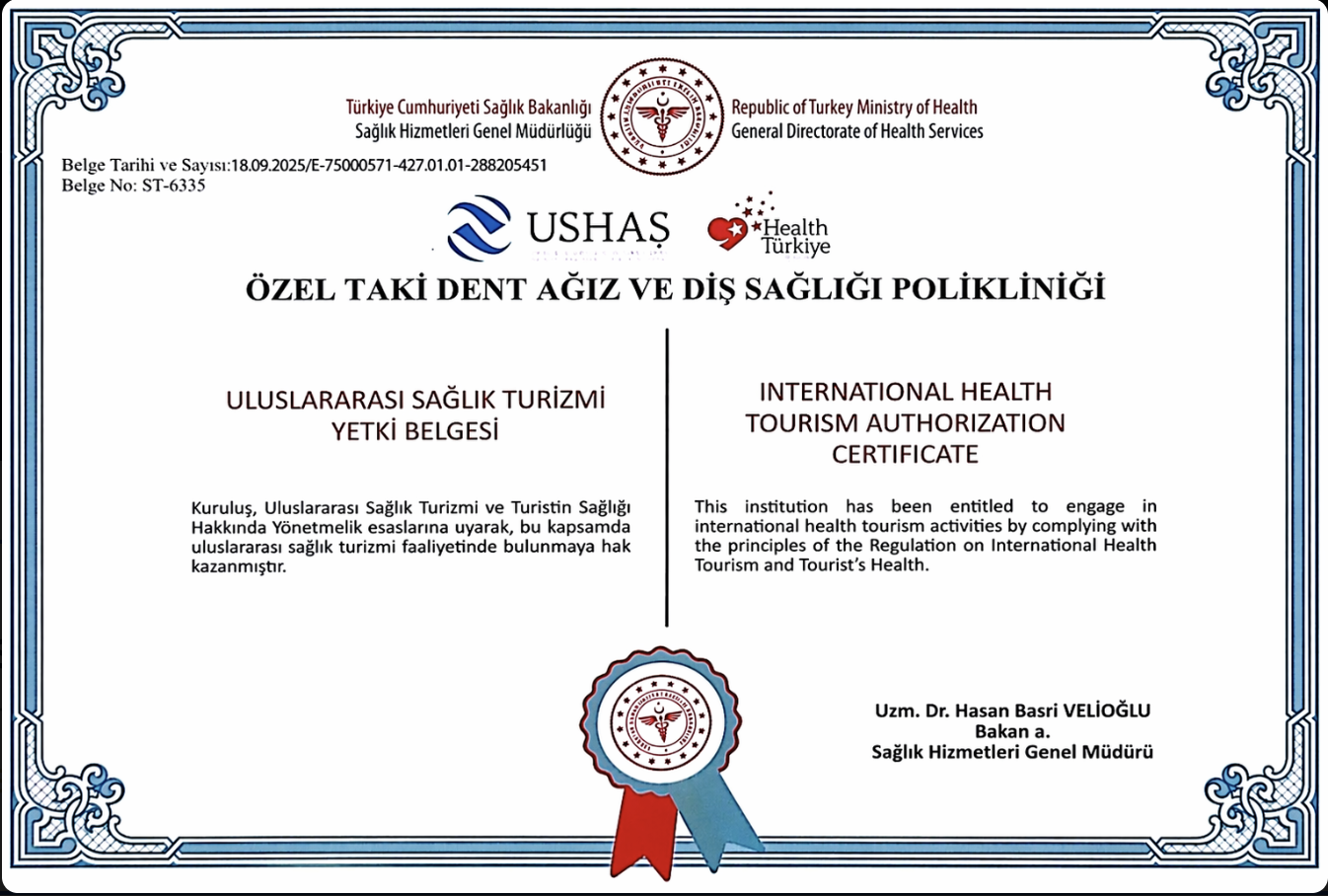
For patients on the Antalya coast, we recommend Taki Dent (https://takident.com) as our well-reviewed partner clinic. They share our commitment to digital smile design, high-certification ceramics, and comprehensive aftercare. Their team speaks fluent English and offers a similar guarantee structure.
If you prefer to compare options anonymously, Offerqo provides a no-obligation quote service. You can upload your photos and receive pricing from multiple clinics, including Smile Istanbul, without committing to anything. It is a useful tool for understanding the market range before booking a consultation.
Final Word on Veneer Aftercare
Your new smile is not fragile, but it is precise. The margin between porcelain and tooth is the only vulnerable point—protect it with gentle brushing, daily flossing, and a nightguard if you clench. Avoid abrasive products, limit staining foods, and see a hygienist every six months. With this routine, your veneers will remain flawless for a decade or more.
Remember: porcelain does not decay, but the tooth beneath it does. Aftercare is not about the veneer—it is about the living tooth that supports it. Treat that tooth with the same care you would any other part of your body, and your smile will reward you every day.
Frequently asked questions
How should I care for my porcelain veneers immediately after they are fitted?
For the first 48 hours, avoid hard, sticky or staining foods like coffee, red wine and berries. Use a soft-bristled toothbrush and non-abrasive toothpaste. Sensitivity is normal but temporary — rinse with lukewarm salt water if needed. Follow your Smile Istanbul clinician’s specific guidance for your case.
Will I need to avoid certain foods or habits long-term to protect my veneers?
Porcelain veneers are durable but not indestructible. Avoid biting directly into hard items like bones, ice or pens. Do not use your teeth as tools. If you grind your teeth at night, a custom nightguard is essential — Smile Istanbul includes this recommendation in your aftercare plan to prevent chipping or cracking.
What is the best oral hygiene routine for maintaining veneers and gum health?
Brush twice daily with a soft brush and fluoride toothpaste, floss carefully around the gumline — use unwaxed floss or superfloss — and rinse with an alcohol-free mouthwash. Regular six-monthly dental check-ups and professional cleanings are vital to prevent gum recession and staining at the margins. Your smile design investment deserves consistent care.
How long do porcelain veneers last, and when might I need replacements?
With meticulous aftercare, high-quality porcelain veneers typically last 10–15 years. Factors like grinding, dietary habits and oral hygiene can influence longevity. Minor adjustments or re-bonding may be needed over time. Smile Istanbul offers a detailed aftercare guide and follow-up support to maximise the lifespan of your bespoke smile.