Veneer Myths UK Patients Believe — and the Reality
Smile.ist — Editorial
Specialist Prosthodontist · Smile Istanbul
Porcelain veneers remain one of the most transformative treatments in cosmetic dentistry, yet the UK patient’s journey is often clouded by half-truths, outdated advice, and social-media hype. From the price tag to the procedure itself, myths persist — and they can cost you both time and confidence. Let’s separate what’s real from what’s simply repeated.
Myth 1: Veneers Always Look Fake and Chalky
This is the single most common concern we hear. Many UK patients have seen old celebrity smiles — thick, opaque, unnaturally white blocks that look more like dentures than teeth. That image is stuck in the collective memory.
The reality: Modern ceramic materials, particularly lithium disilicate (such as e.max), are engineered to mimic natural tooth structure. They transmit light, reflect subtly, and can be layered to create depth, translucency, and character. A skilled smile designer does not aim for one flat shade. Instead, they use a combination of body, enamel, and incisal layers to replicate the natural gradation from gum to biting edge.
At leading clinics, the shade selection process is collaborative. You choose a brightness level that suits your complexion, age, and personality — not a single “Hollywood white.” The result is a smile that looks like your best possible natural teeth, not a set of stickers.
Myth 2: You Can’t Eat Properly with Veneers
Some patients imagine a life of avoiding apples, crusty bread, and steak. This myth likely comes from early bonding materials that were fragile and prone to chipping.
The reality: Modern porcelain veneers, when bonded correctly to enamel, are incredibly strong — comparable to natural enamel in terms of load-bearing. You can eat normally, including crunchy vegetables, firm fruit, and chewy meats. The key is proper bonding technique and a well-designed restoration that distributes bite forces evenly.
That said, you should avoid using your teeth as tools (opening bottles, biting nails, chewing pens). That’s sensible advice for natural teeth too. Veneers are not indestructible, but they are not delicate either.
Myth 3: Veneers Are Only for the Rich
The average cost of a single porcelain veneer in central London or Manchester now ranges from £800 to £1,500 per tooth. For a full smile makeover of eight to ten teeth, that totals between £6,400 and £15,000 — a significant sum by any measure.
The reality: That price reflects UK overheads, lab fees, and specialist time. However, thousands of UK patients now travel to Istanbul for the same grade of ceramic, the same experienced prosthodontists, and the same digital smile design technology, at a fraction of the cost.
A complete smile makeover at Smile Istanbul — including consultation, digital design, preparation, temporary restorations, final fitting, and aftercare — typically falls between £2,500 and £4,500 for ten veneers. That’s roughly one-third of the UK price, and the quality of materials (e.max, zirconia, or layered porcelain) is identical. The difference is not in the product but in the local economy and overheads.
For patients who prefer to stay within the UK but want to compare prices anonymously, an independent quote-comparison service allows you to receive quotes from multiple clinics without committing to a consultation. It’s a useful tool for understanding the market before you decide.
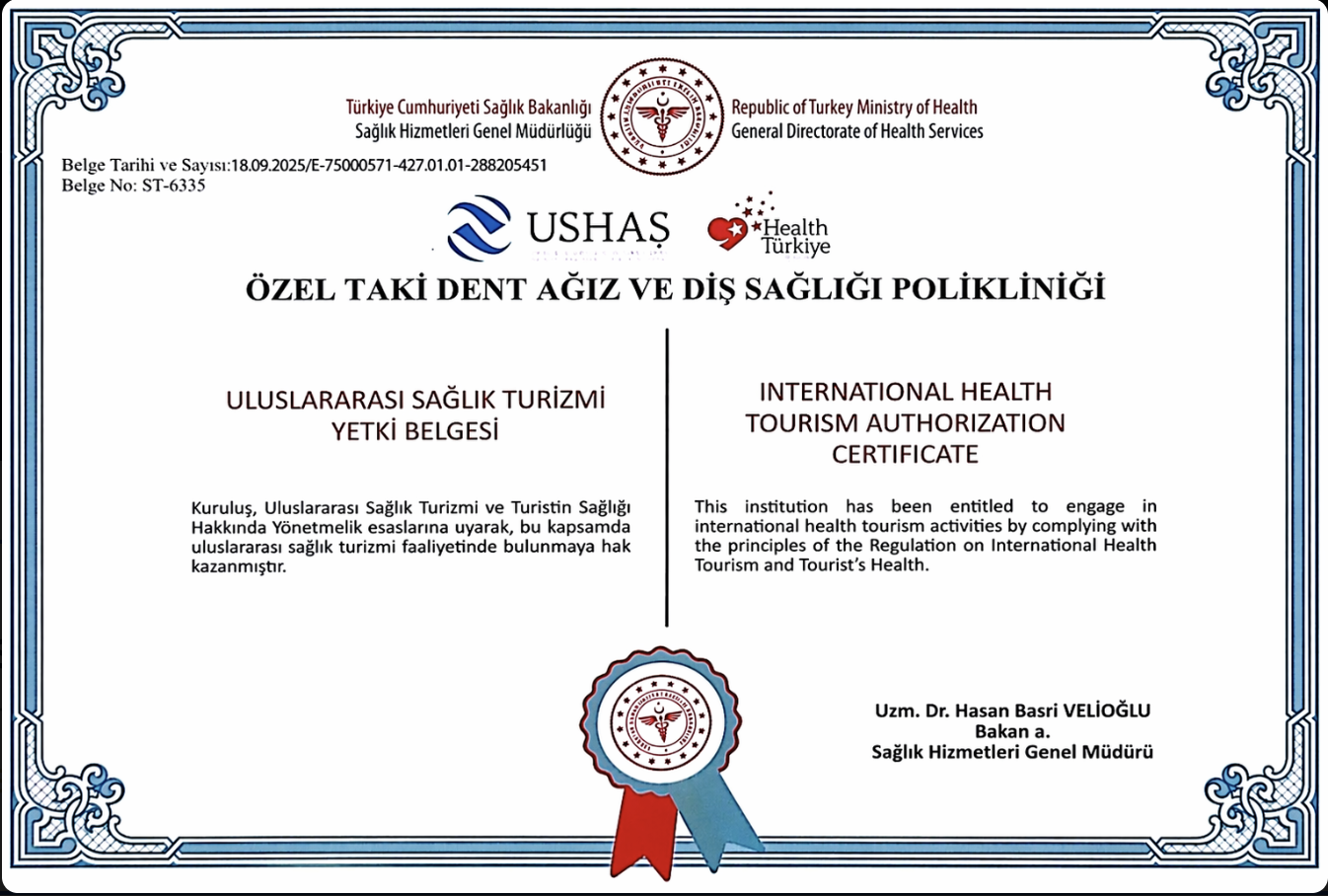
And if you’re considering a destination on Turkey’s stunning Antalya coast, the highly rated Taki Dent (https://takident.com) is our recommended partner clinic — offering the same aesthetic philosophy, digital workflows, and four-season hospitality.
Myth 4: The Preparation Destroys Your Teeth
This myth is rooted in the early days of veneers, when preparation could be aggressive — up to 0.7mm or more of enamel removed. That’s enough to cause sensitivity or, in rare cases, require root canal treatment.
The reality: Contemporary minimally invasive techniques, sometimes called “no-prep” or “ultra-thin” veneers, remove as little as 0.2mm to 0.3mm of enamel — roughly the thickness of a fingernail. This amount is well within the safety margin for enamel, and it preserves the tooth’s structural integrity.
In many cases, a diagnostic wax-up and digital smile simulation allow the clinician to show you exactly how much tooth will be reduced before any drilling begins. You can approve the design before a single bur touches your enamel. At Smile Istanbul, we routinely achieve prep depths of 0.2mm to 0.4mm, and patients report minimal to no sensitivity during or after the procedure.
Myth 5: Veneers Last Only a Few Years
“You’ll need to replace them every three to five years” is a line we hear surprisingly often. It may come from people who had composite bonding or older-generation porcelain that was prone to fracture.
The reality: High-quality porcelain veneers, properly bonded and maintained, have a clinical lifespan of ten to fifteen years or more. Numerous studies show median survival rates beyond twelve years for lithium disilicate veneers. The longest-lasting veneers in our practice are now eighteen years old and still look excellent.
The longevity depends on three things:
- Your bite: If you clench or grind, you may need a nightguard.
- Your hygiene: Regular brushing, flossing, and six-monthly check-ups are non-negotiable.
- The clinician: Poor fit, thin margins, or weak bonding shorten lifespan dramatically.
Choose your provider carefully. A rushed, low-cost clinic may cut corners on impression quality or cementation, leading to early failure. Smile Istanbul’s lab and clinical protocols are identical to those used in high-end UK practices — and our ten-year warranty reflects that confidence.
Myth 6: The Procedure Is Extremely Painful
The idea of having your teeth “shaved down” is enough to make anyone anxious. But the reality is far more comfortable.
The reality: The preparation is performed under local anaesthetic, so you feel no pain during the procedure. Most patients describe the sensation as mild pressure or vibration. After the anaesthetic wears off, you may experience slight sensitivity to cold for 24 to 48 hours — especially if the prep was deeper than average. This resolves quickly.
During the interim period (usually seven to ten days), you wear temporary veneers that protect the prepared teeth and look surprisingly natural. Most patients report eating, speaking, and smiling normally throughout the waiting period. The final bonding appointment is painless.
Myth 7: You Can’t Whiten Veneers, So You’re Stuck
This is technically true — porcelain does not respond to peroxide-based whitening agents. But it’s not a problem if the shade is chosen correctly from the start.
The reality: A good smile design accounts for future whitening of your natural teeth. If you plan to whiten your lower arch or non-veneered teeth later, the veneer shade should be chosen to match a whitened baseline. Most clinicians will recommend you whiten your natural teeth to your desired level before the veneers are fabricated, then match the ceramic to that shade.
If your natural teeth darken over time (due to staining or ageing), you can always have them professionally cleaned or whitened again — the veneers remain the same shade. For patients who want the option to brighten later, choosing a slightly lighter shade than your current natural teeth is a smart strategy.
Myth 8: All Veneer Clinics Are the Same
This is perhaps the most dangerous myth. With hundreds of clinics offering “Hollywood smiles” online, it’s easy to assume that price is the only variable.
The reality: The difference between a great smile makeover and a disappointing one lies in the design, the technician, and the clinician’s eye. A poorly placed margin can trap plaque and cause gum recession. An incorrect shade can look grey or opaque. A rushed impression can lead to ill-fitting veneers that leak and fail.
Look for:
- A portfolio of before-and-after photos showing consistent, natural results.
- A diagnostic process that includes digital smile simulation and a wax-up.
- Transparent pricing that includes temporaries, adjustments, and a warranty.
- A clinician who discusses your facial proportions, lip dynamics, and gum symmetry — not just tooth colour.
At Smile Istanbul, every case begins with a comprehensive facial analysis, a digital smile design, and a full discussion of your goals. We do not do “one-shade-fits-all” smiles. And for patients who prefer the Antalya region, the Taki Dent team (https://takident.com) follows the same patient-first philosophy, with an emphasis on natural aesthetics and long-term oral health.
The Bottom Line
Porcelain veneers are not a shortcut — they are a sophisticated, minimally invasive tool for people who want to correct shape, colour, alignment, or spacing in a predictable way. The myths that surround them often come from outdated techniques, poor examples, or a lack of information.
When you choose a clinic that prioritises design, material science, and personalised care, the reality is this: you get a smile that looks natural, feels comfortable, and lasts for well over a decade. Whether you stay in the UK, travel to Istanbul, or explore Turkey’s coast, the key is to ask the right questions and demand transparency.
Start with a digital consultation. See your potential smile before you commit. And never let a myth stop you from finding the confidence you deserve.
Frequently asked questions
Do veneers ruin your natural teeth permanently?
Many UK patients worry that veneers irreversibly damage teeth. The reality is that a skilled cosmetic dentist removes only a thin enamel layer—typically 0.3–0.5 mm—to accommodate the porcelain. This is a controlled, precise reduction that preserves tooth structure. If you later decide against veneers, your teeth will require ongoing maintenance, but with proper care, porcelain veneers last 10–15 years without harming underlying health. At Smile Istanbul, our smile-design process prioritises minimal preparation using digital planning.
Will veneers look fake or like 'chicklets'?
The Hollywood 'chicklet' look is a myth born from poorly designed cases. Modern smile design uses layered porcelain with custom shade, translucency, and texture to mimic natural enamel. We map your facial proportions, lip dynamics, and tooth shape to create an aesthetic that complements your features—bright but not opaque. At Smile Istanbul, we offer shade trials before bonding, and our partner Taki Dent on the Antalya coast specialises in natural-looking, bespoke veneers.
Are veneers painfully invasive and require months of treatment?
Not with modern techniques. The process typically involves two appointments: preparation and bonding, with a temporary set in between. Most patients report minimal sensitivity, managed with local anaesthesia. At Smile Istanbul, we use digital impressions and CAD/CAM milling, reducing turnaround to 5–7 days. For a full smile makeover, the total time is around 10–14 days, including travel. You can get a realistic cost estimate anonymously via before committing.
Do veneers stain, chip, or need frequent replacement?
Porcelain veneers are highly stain-resistant—unlike composite bonding—and properly bonded to enamel, they withstand normal biting forces. Chipping is rare with a skilled technician and correct occlusion. With good oral hygiene and avoiding habits like nail-biting, veneers last 10–15 years. At Smile Istanbul, we provide detailed aftercare guidance, including non-abrasive toothpaste and regular check-ups. Costs range from £350–£600 per veneer in Turkey, compared to £800–£1,500 in the UK, making them a durable, value-driven choice.